Sprinkler & Drip Irrigation System Installation Guide
Especially in a dry climate, watering a lawn is crucial to its wellbeing. For plants and grass to thrive, they need a regular watering schedule. Manually watering your yard may not fit into your schedule, and it can be a daunting task. Here, we look at the benefits of installing an irrigation or sprinkler system, as well as offering an overview of the different options from which you can choose.
Installing and Maintaining Sprinkler Irrigation Systems
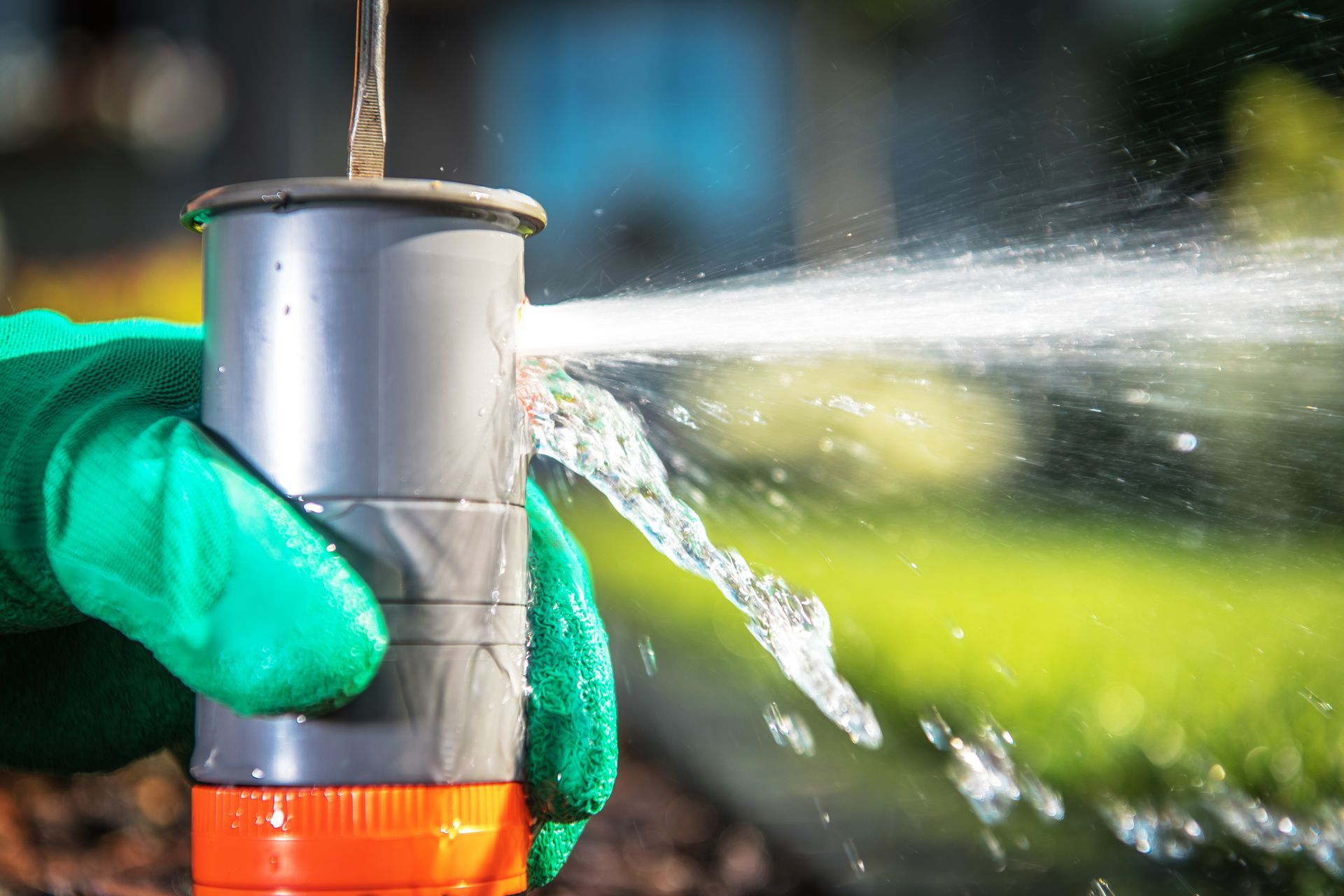
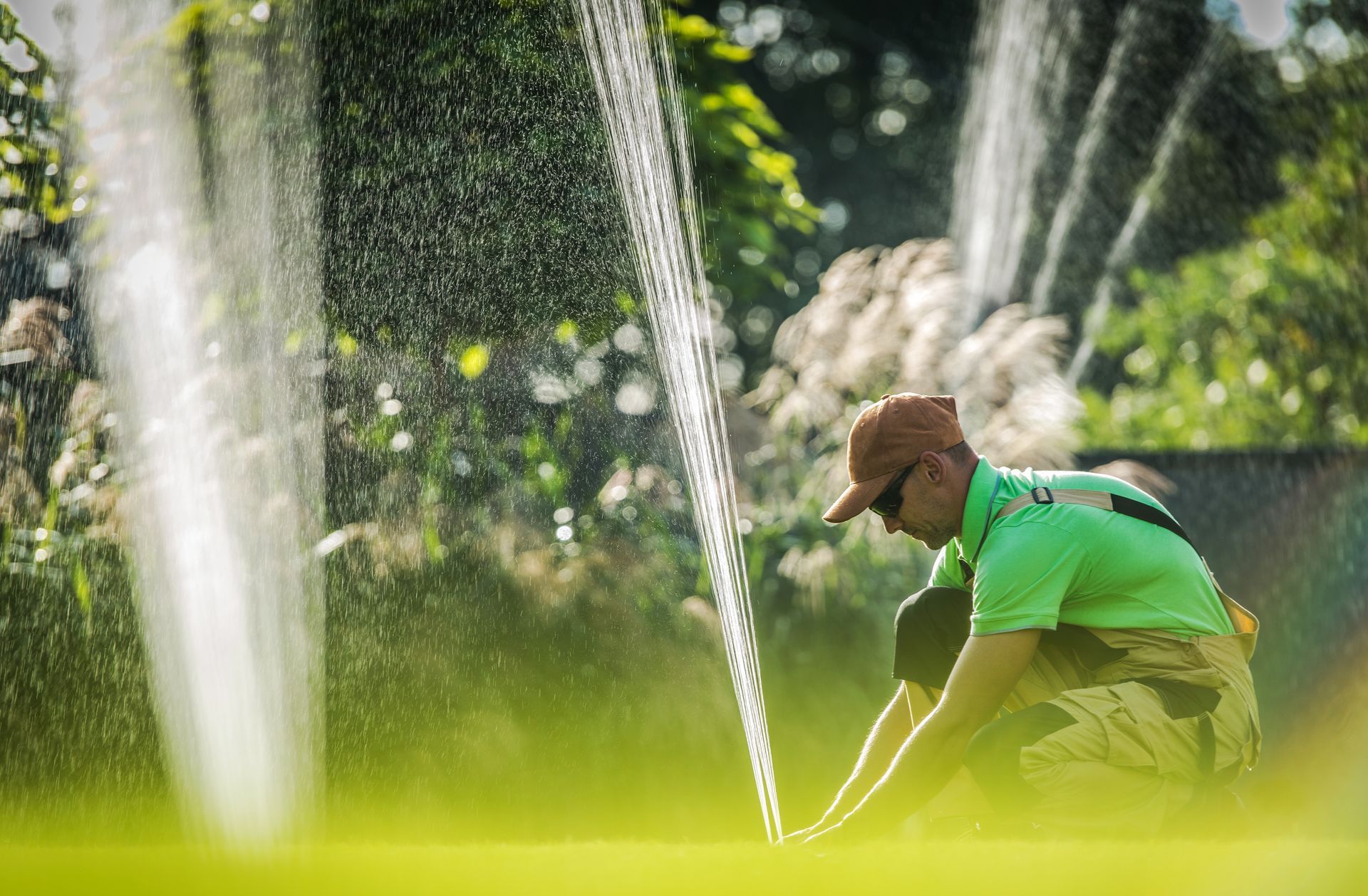
To ensure your landscape stays healthy and hydrated, you will need to carefully plan your sprinkler or irrigation system, to maximize coverage while minimizing water waste. Once installed, the system will need to be maintained regularly, to keep it functioning properly. Maintenance includes checking for leaks, cleaning and adjusting sprinkler heads, ensuring consistent water pressure, and winterizing your system, to prolong its lifespan and promote efficient operation. The first step, though, is choosing the right sprinkler system.
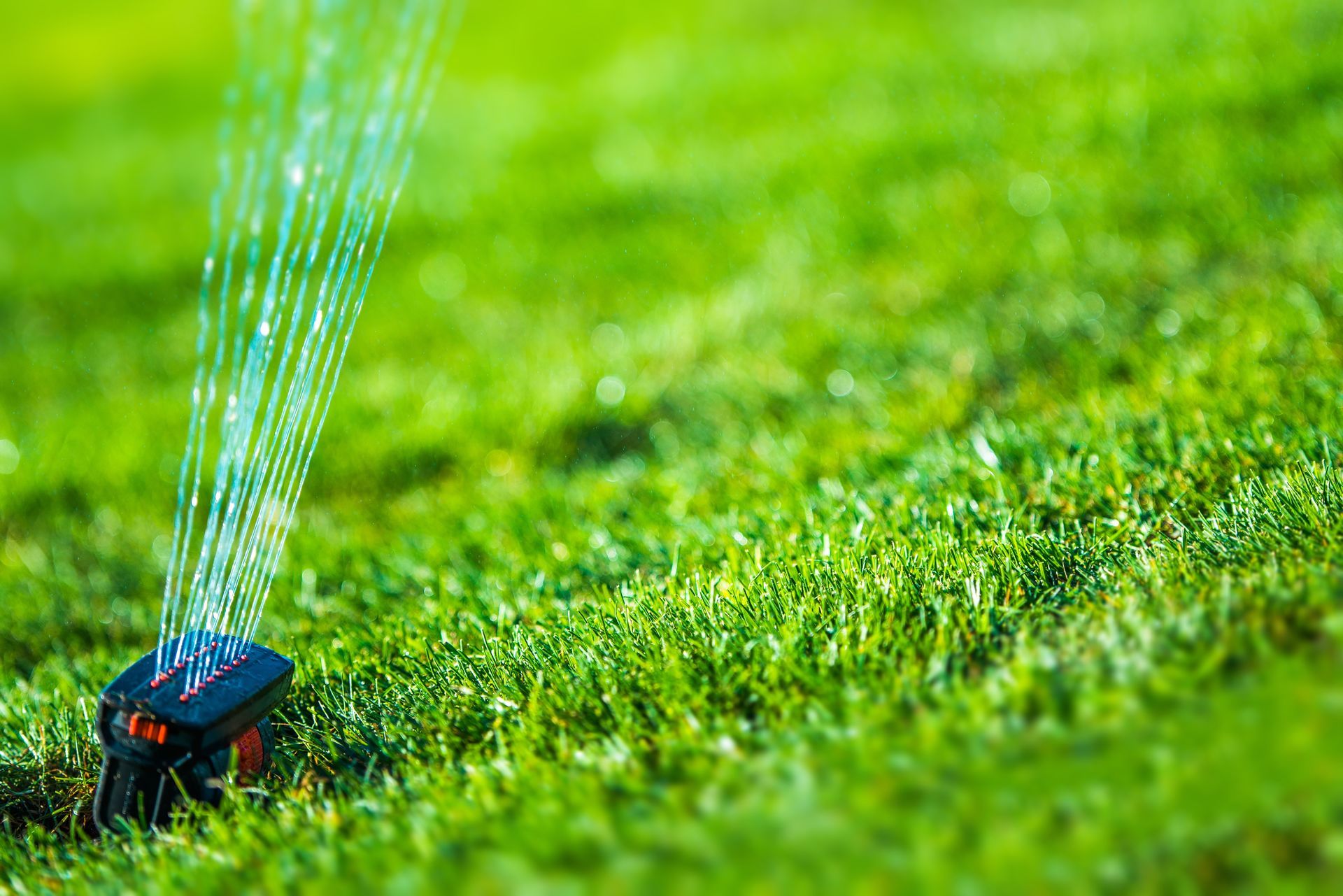
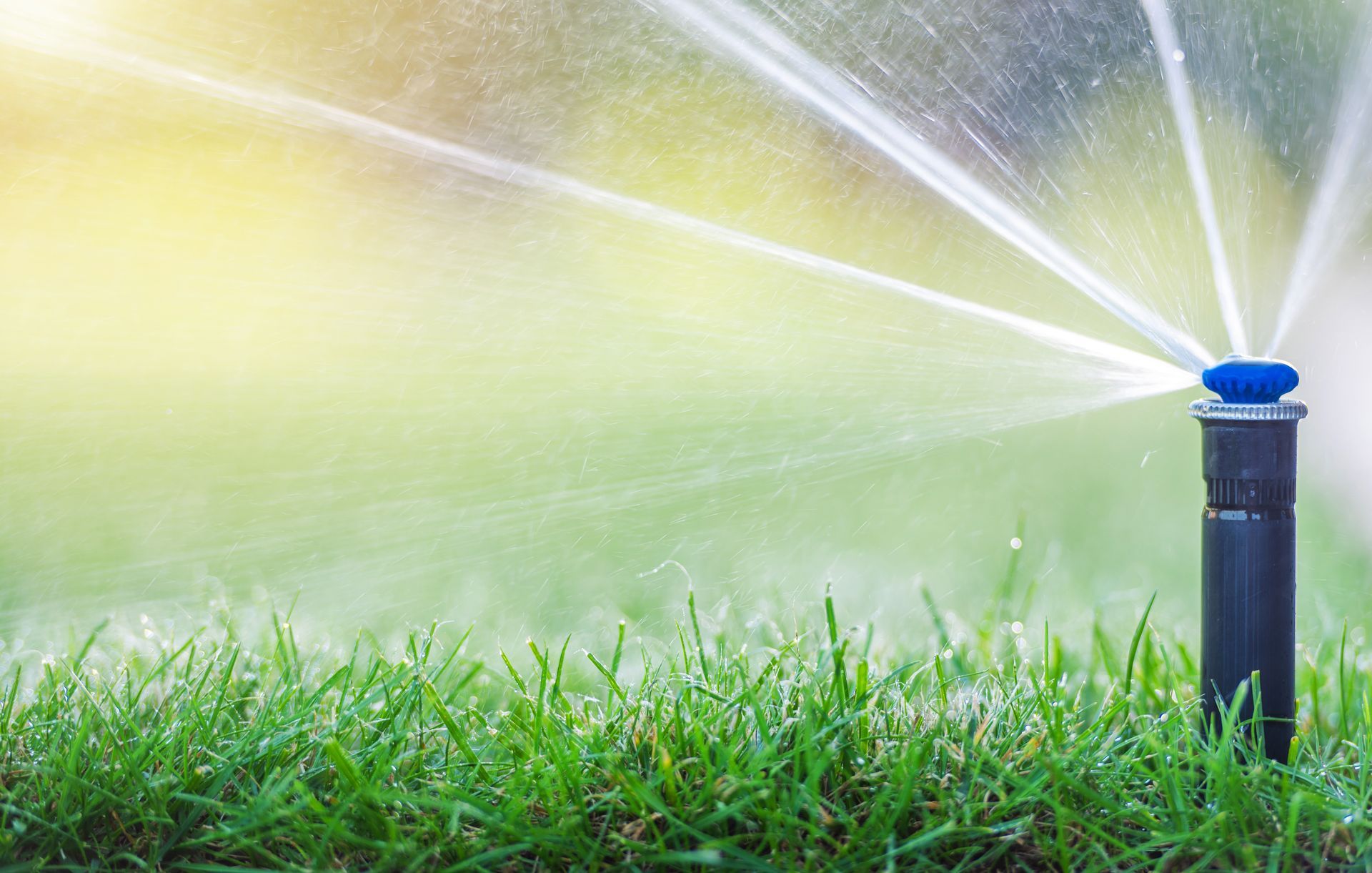
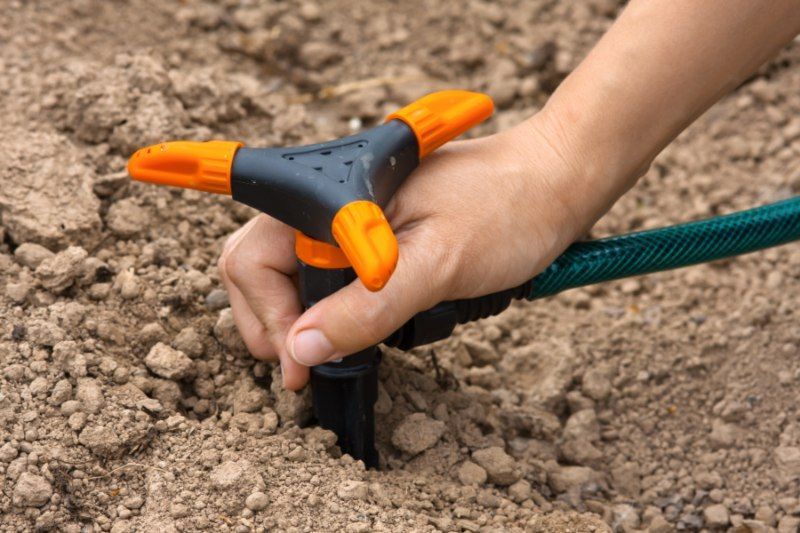
- Traditional Spray System : This type of sprinkler has ground level and pop-up heads, spraying water in a circular pattern. These sprinklers offer thorough water coverage, but it can also waste a lot of water. Sometimes, these systems overwater the plants, and sometimes the ground cannot absorb all the water being sprayed. If you choose to install this kind of system, be careful to install the sprinkler heads far enough away from each other that you avoid overlapping spray.
- Rotary System : Rotary or rotor sprinkler systems are more water-efficient than traditional spray sprinklers, because they release water at a slower rate. Types of rotor systems include the pop-up spray, which can range from two to twenty inches in height, the impact style that provides streams of water in an arc pattern, and gear-driven rotors, which are cost effective and versatile, featuring enclosed body designs that require very little maintenance. Rotary lawn sprinklers are a great option for covering a large area quickly.
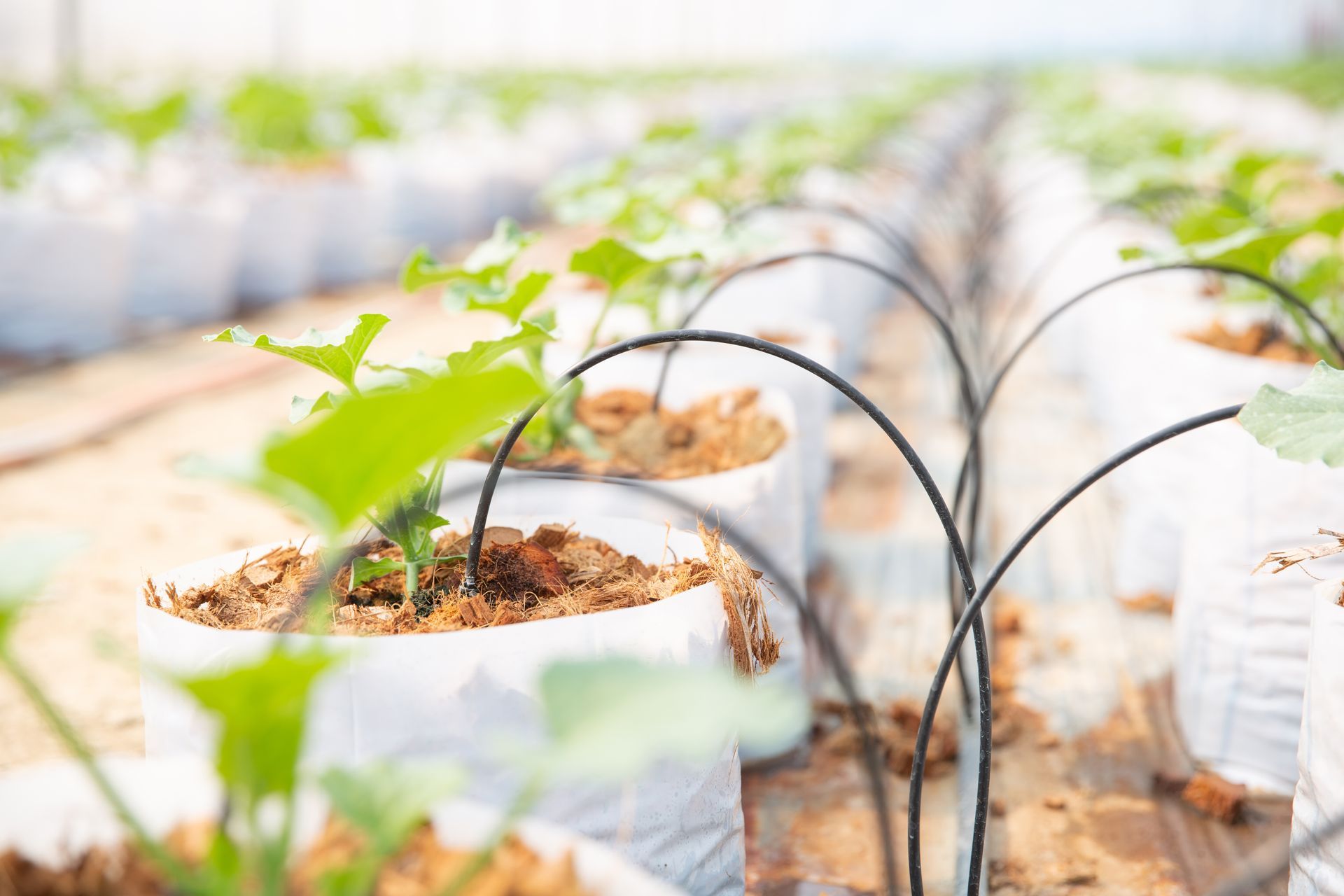
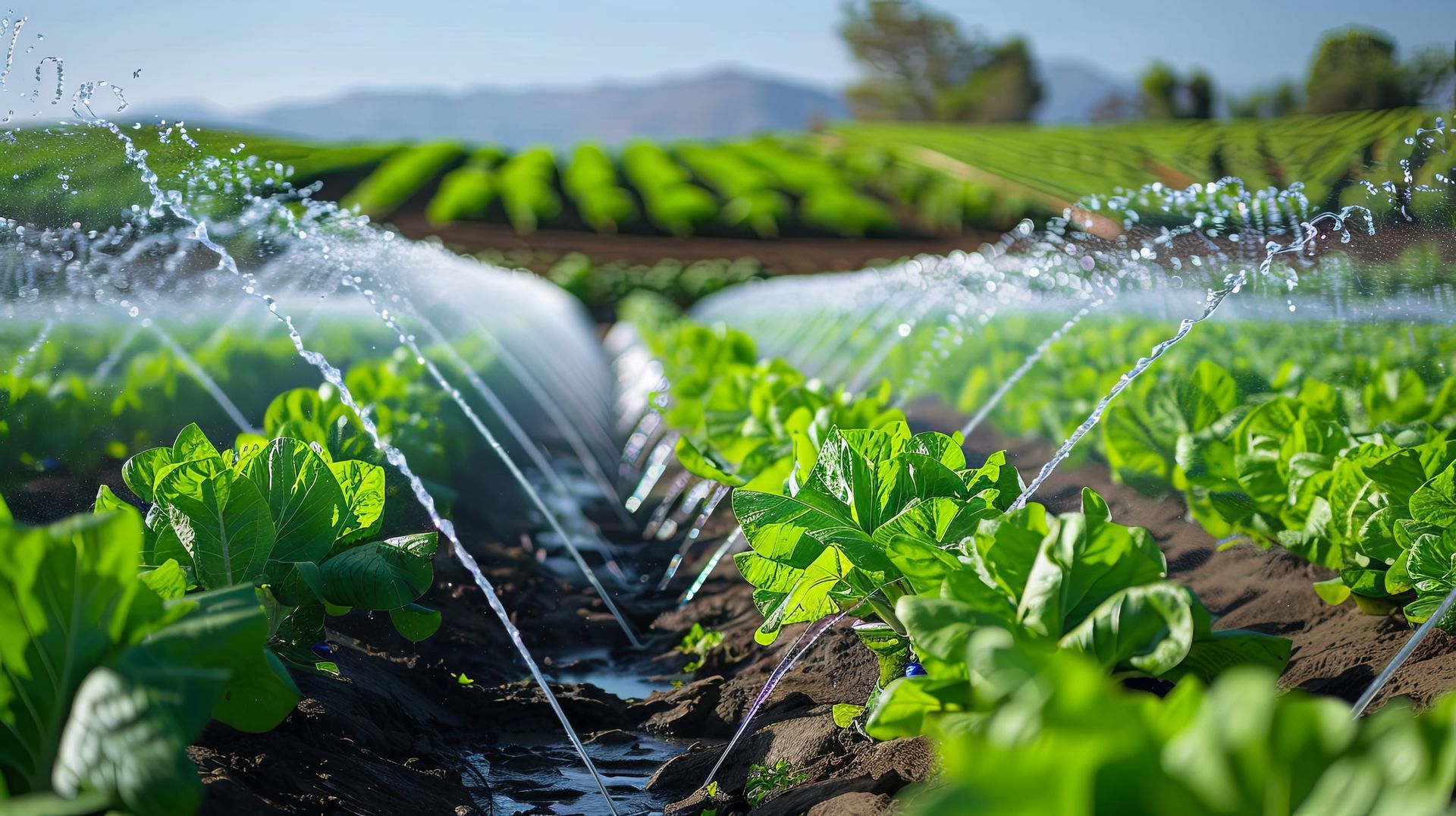
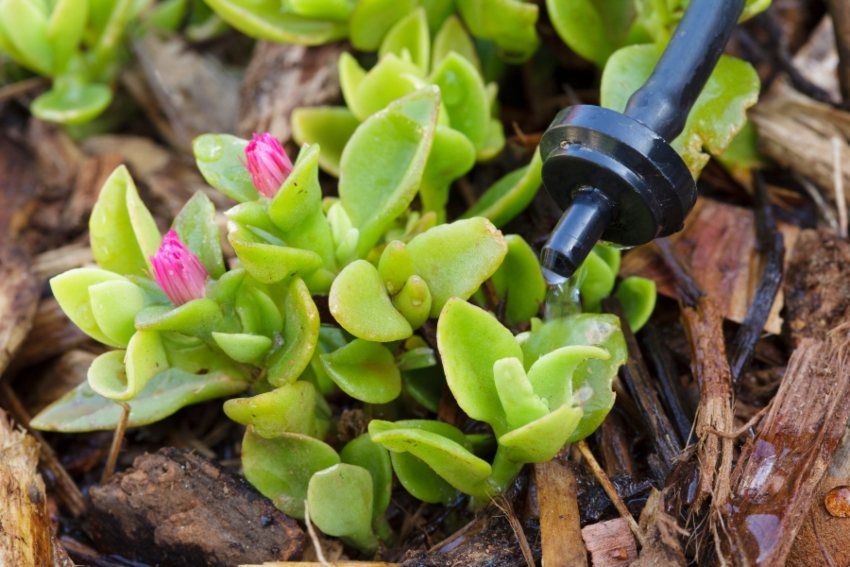
- Drip System : A drip system is the type of irrigation system most preferred by environmentalists. It uses only a fraction of the water of a spray sprinkler, supplying the water to the soil slowly and allowing the soil to absorb it at its own pace. There are different types of drip irrigation systems, and when you are creating an irrigation plan for your yard, you can design it with zones, using different types of drip irrigation where they are appropriate.
Type of Drip Irrigation Systems
- Soaker Hoses : These hoses have holes all along the length, evenly spaced. They’re flexible, and can be placed along row crops, beside hedges, shrub lines, or vegetable gardens, and in lawns. The work by seeping water slowly into the soil, and they can be left in place all year, because freezing temperatures won’t damage them. They only work up to 200 feet, and can’t be used on slopes, and some are made of recycled rubber, which is not the best option for food crops.
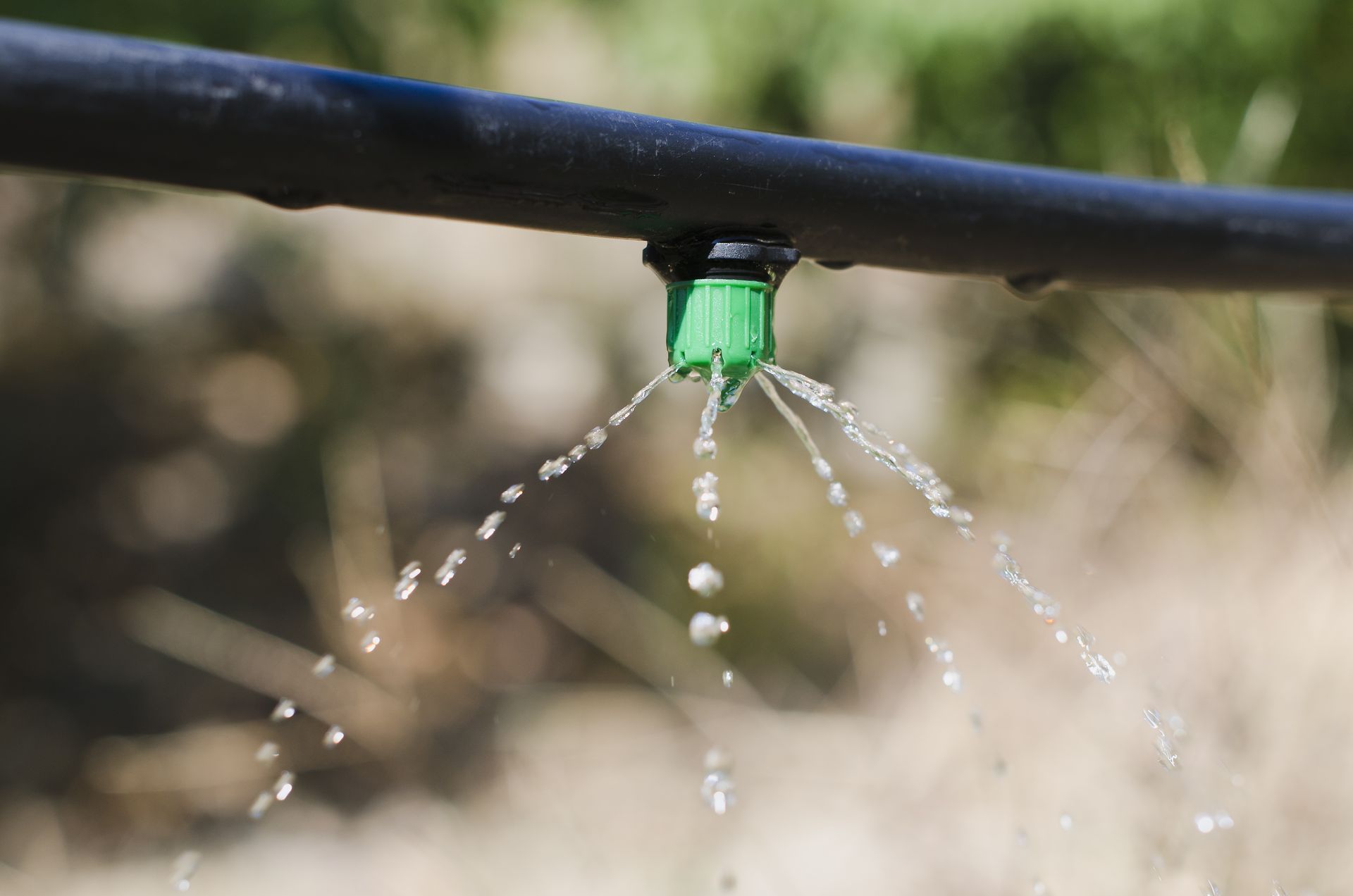
- Emitter Systems : These systems use a series of small hoses that have “emitters” (evenly spaced nozzles), which drip water into the soil slowly. They can efficiently water small shrubs and trees or a vegetable garden. While they require more set-up time than soaker hoses, they are efficient, economical, good in areas where rainfall varies dramatically, and useful during stretches of summer drought.
- Drip Tape : The most economical type of drip irrigation system , drip tape is easy to install and use. It doesn’t typically last as long as other systems, and it only works in straight lines, but it is an excellent option for linear flower beds or vegetable gardens. The drip tape can be buried or covered with mulch.
- Micro-misting Systems : Micro-sprinklers attach to an irrigation hose system. Normally used in orchards, they are ideal for large trees, flower beds, ground cover, hillside, and slopes. Dispersing water slowly and evenly, they’re good for shallow-rooted shrubs, and also for gently misting branches while temperatures are below freezing, protecting buds during unexpected cold snaps in spring.
Advantage of Drip Irrigation and Sprinkler Installation
When planning an irrigation system, consult with a professional sprinkler installation company, to determine which type of system is best for your property, and how it should be installed. Generally speaking, drip irrigation is good for the environment and very effective for gardens and flower beds, while sprinkler systems can cover a larger area. An irrigation system can be customized to fit your landscaping, designed with different zones to accommodate different watering needs.
Professionally Installing Drip Irrigation and Sprinkler Systems in Utah
In Bountiful, Utah, the key to a beautiful lawn is the right sprinkler system, and the key to an effective sprinkler system is working with true professionals. At Oberg Irrigation, our team has twenty years of experience, and we can handle all types of sprinkler and irrigation systems, from the simplest to the largest and most complex. We install drip irrigation and other types of sprinkler systems effectively, and you can trust us to handle any job with expert knowledge and professionalism. Whether you need us to install or upgrade your sprinkler system, or your existing system needs maintenance or repair, contact us today and let’s make sure your landscape is always at its very best.
The post Sprinkler & Drip Irrigation System Installation Guide appeared first on Oberg Irrigation.
Share This Blog